
Signal conditioning
An instrumentation schematic with a clear sensing-to-monitoring path.
Circuit
Use the Scientific Schematic Generator to generate clean scientific schematics for systems, mechanisms, circuits, workflows, data pipelines, and conceptual models.
Free to try ·
Your diagram will appear here
Describe what you need and click Generate
Move from a focused brief to a structured draft with the Scientific Schematic Generator workflow, then refine the details your audience needs. SciDraw helps you organize the visual before you use it in research communication, teaching, or project review.
State what the visual should explain, who will read it, and which labels, relationships, or stages must be visible.
Use a focused prompt or reference to organize the visual around the most relevant details, such as Signal conditioning and Research evidence retrieval.
Check terminology, arrows, object identity, layout, and unsupported claims against the source material before exporting or presenting the draft.
State what the visual should explain, who will read it, and which labels, relationships, or stages must be visible.
Use a focused prompt or reference to organize the visual around the most relevant details, such as Signal conditioning and Research evidence retrieval.
Check terminology, arrows, object identity, layout, and unsupported claims against the source material before exporting or presenting the draft.
Six independent 16:9 technical schematics for signals, AI evidence systems, environmental processes, aerospace links, control loops, and manufacturing. Review terminology and connections before presenting a draft as documentation.
An instrumentation schematic with a clear sensing-to-monitoring path.
A system diagram that makes retrieval and evidence review distinct from the model output.
An environmental engineering process visual with distinct treatment stages.
An aerospace systems view of an orbit-to-operations information path.
A control-system visual that separates sensing, decision, action, and feedback.
A production-system schematic with an explicit inline inspection and traceability path.
SciDraw combines a focused Scientific Schematic Generator workflow with structured prompts, relevant examples, and a review step. That keeps the page useful for planning and refinement instead of treating a scientific visual as decoration.
Workflow need | SciDraw | Generic image tools |
|---|---|---|
Clear visual intent | Start with a focused brief and a defined audience. | The prompt may focus on appearance without a review goal. |
Scientific structure | Describe labels, relationships, stages, boundaries, and flow explicitly. | Connections and hierarchy may be inferred or left ambiguous. |
Reviewable iteration | Refine the visual against its source material and review criteria before sharing. | A visual may need to be rebuilt in another workflow after generation. |
Audience-aware output | Adapt density, labels, framing, and reading order for papers, talks, teaching, or planning. | One generic composition may not fit the intended audience. |
Use the guidance below to turn Scientific Schematic Generator briefs into clearer scientific visuals, check their meaning, and prepare the next revision with confidence.
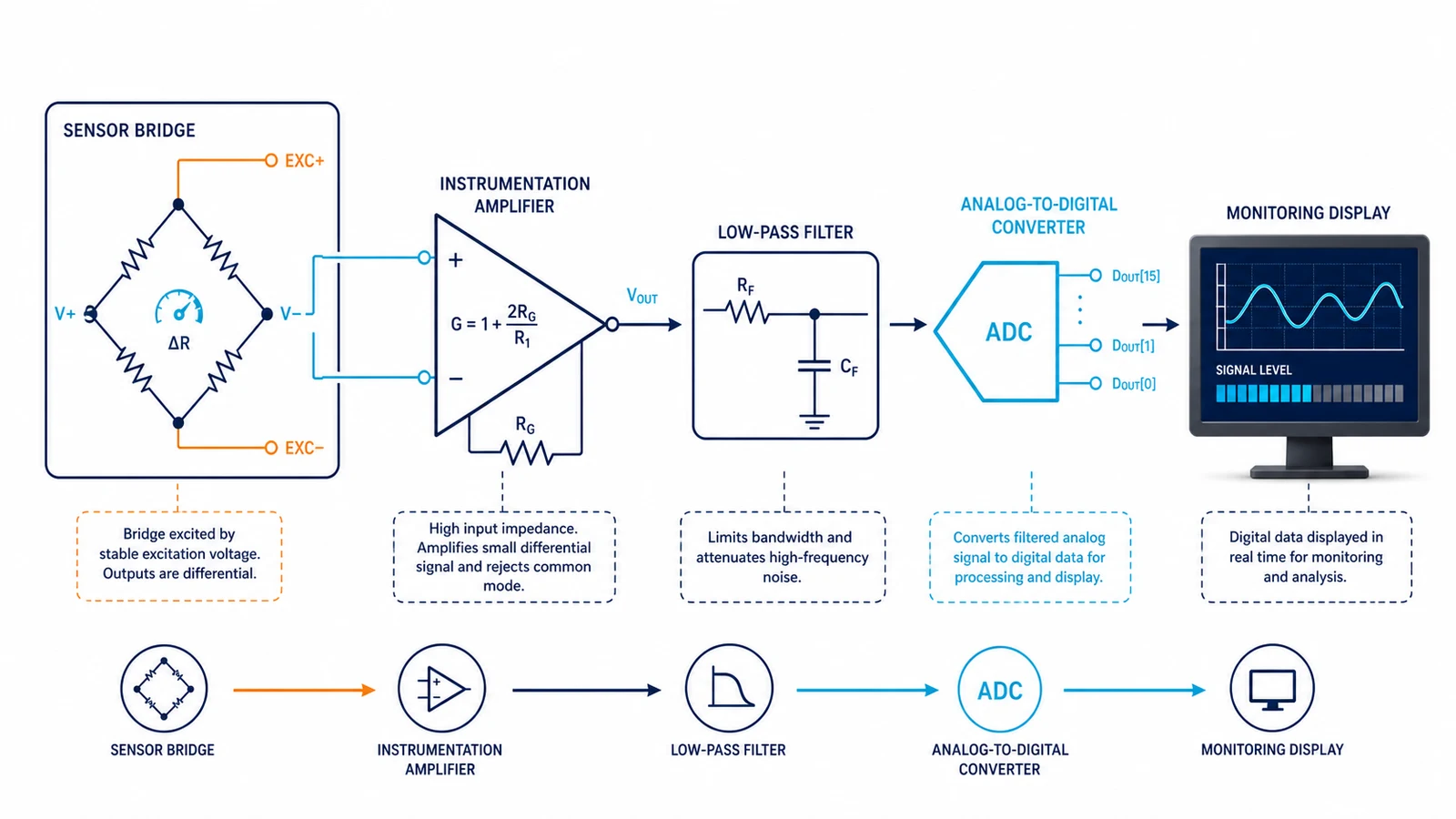
Schematics emphasize structure and relationships rather than realistic rendering. Use them when the audience needs to understand how parts connect.
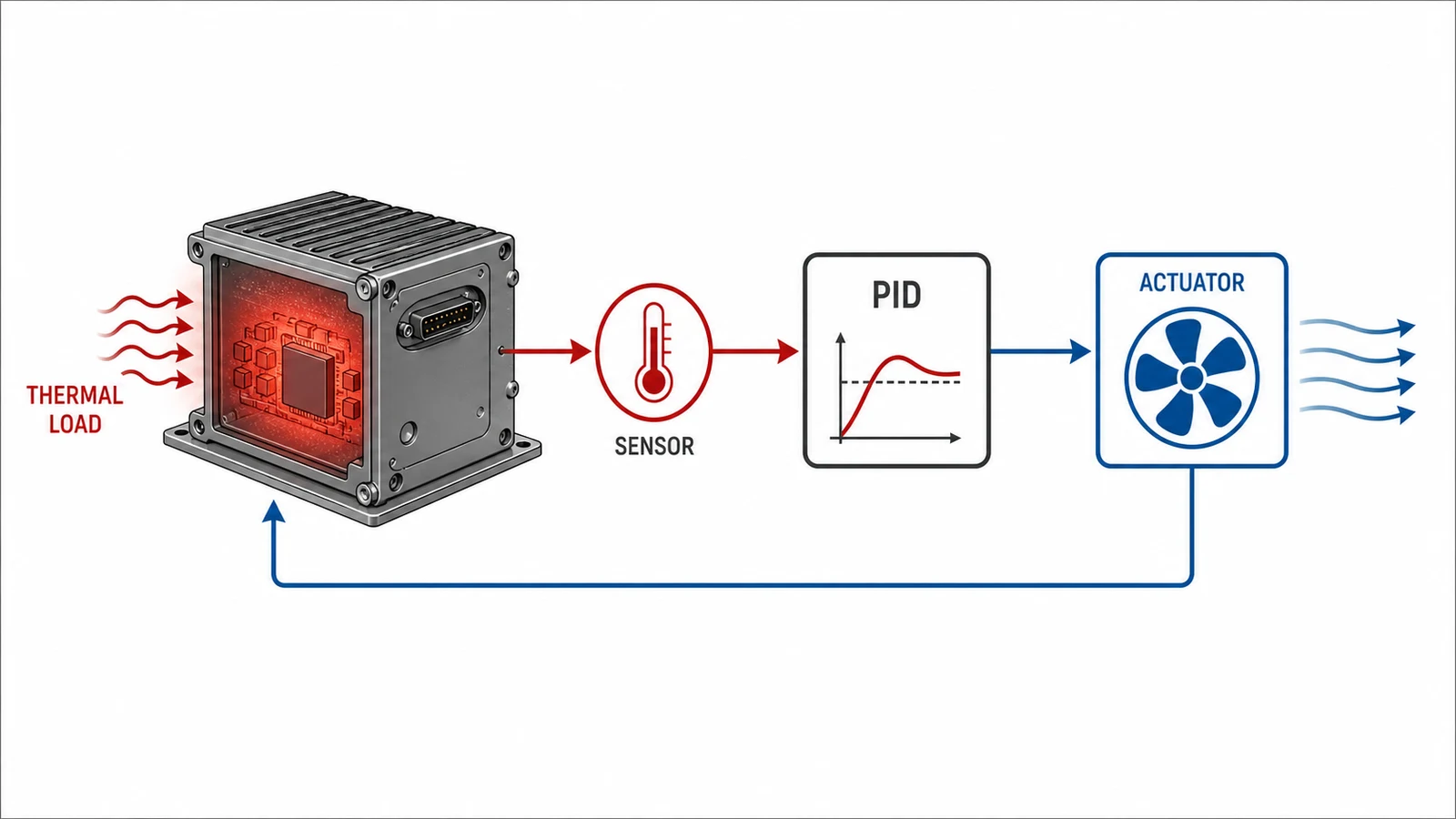
Specify the components, connections, labels, directionality, and level of abstraction. Keep the requested output focused.
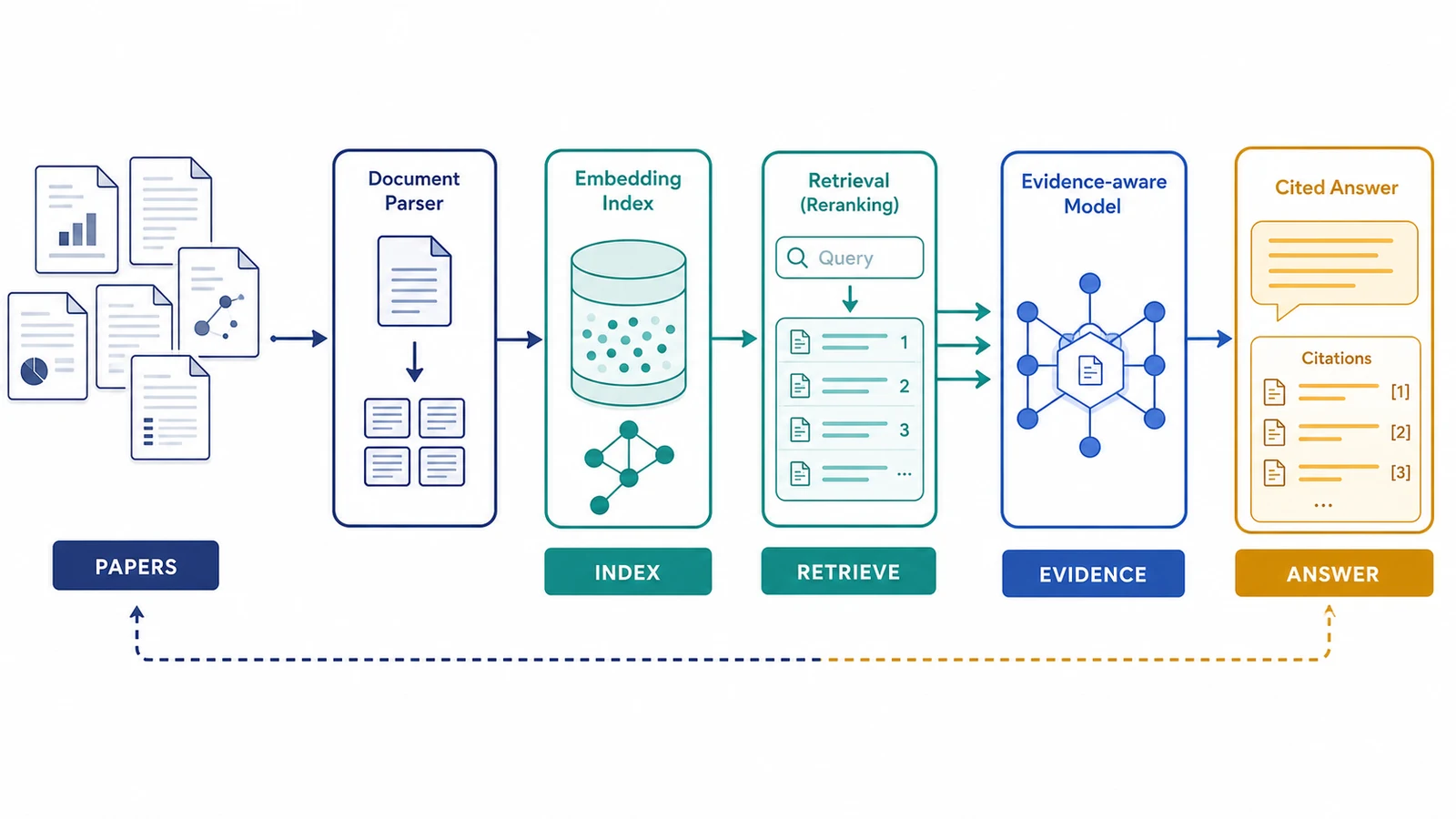
Review symbols, labels, and relationships before using the schematic in formal research, teaching, or technical documentation. A clear-looking diagram can still misstate an interface, signal direction, control loop, or safety boundary.
Choose your plan. No hidden fees, cancel anytime.
Your data is yours · Never used to train any model · Encrypted in transit and at rest
Great for getting started
Includes
Best for regular creation
Includes
Built for high-volume production
Includes









Researchers, graduate students, and educators share how SciDraw helps them create scientific figures, scientific diagrams, graphical abstracts, and clearer teaching visuals faster.
For a plant-cell lecture, I needed the chloroplasts and vacuole called out without rebuilding an old slide. SciDraw gave me a useful scientific figure layout that went into my slide deck after only a few label edits.

Dr. Helen Vance
Cell Biology Professor
When a student asks for a force-diagram example beyond the textbook, I open SciDraw instead of redrawing one on a slide. It is the scientific diagram generator I reach for first, then I quickly check every vector.

Dr. Javier Ortega
Physics Instructor
For grant proposals, we use SciDraw to agree on the experimental setup diagram before anyone starts polishing the scientific figure. It has cut down the back-and-forth and given the team a shared visual from day one.

Dr. Devendra Verma
Research Lab Director
I can compare a few biological pathway diagrams for study notes before I settle on one.

Minh Nguyen
Graduate Science Student
For my dissertation, I start the manuscript-to-figure process with neural-pathway and synapse layouts in SciDraw. It gives me a strong first composition, so I can spend Illustrator time on the details that matter.

Dr. Ananya Rao
PhD Candidate · Neuroscience
The first scientific drawing got our fractional-distillation design review moving right away.

Dr. Marcus Davis
Chemical Engineering Lead
If the stock image does not match that week’s climate topic, I make a quick diagram in SciDraw. It gives the class a visual that fits the discussion, and I can tailor the labels to their level.

Prof. Mei-Ling Zhao
Environmental Science Educator
I see authors use a scientific figure generator to turn a rough outline into something reviewers can actually read. It makes the first review conversation clearer and helps the science stand out from the layout.

Dr. Thomas Ødegård
Scientific Journal Editor
For tectonics classes, I use a custom volcano cross-section diagram when the stock image does not match the boundary we are discussing. Students grasp the process much faster when the visual follows the exact example.

Dr. Fatima Al-Sayed
Geology Lecturer
It gives me a tidy scientific figure draft for a force diagram or wave sketch quickly, without making the curriculum page feel crowded.

Dr. Nathan Brooks
STEM Developer
I place a simple materials-science diagram next to SEM images so students can connect an ideal lattice to the real sample. That visual comparison makes the lesson click much faster than another paragraph of explanation.

Dr. Clara Sommer
Materials Researcher
Before opening CAD, we use SciDraw’s architecture diagram generator to make the system boundary and handoffs visible. It gets the right questions onto the table early and helps the team align before detailed modeling.

Dr. Robert Söderberg
Mechanical Engineer
For photosynthesis slides, I start with a chloroplast scientific figure that I can tailor to the level of the class. It saves a surprising amount of preparation time when a lesson needs a fresh visual.

Dr. Hannah Weber
Plant Biology Researcher
It gets me past the blank page on a science explainer and gives the final illustration a clearer direction.

Ji-Min Kim
Scientific Content Creator
Having students create a scientific drawing for a lab report makes them think through the process step by step. The discussion and revision afterwards are noticeably stronger.

Dr. Sofia Alvarez
Biochemistry Professor
It is helpful when we need an astronomy diagram for the exact orbit or instrument configuration in the discussion, rather than a generic solar-system graphic. The result feels much closer to the research question.

Dr. David Park
Astronomical Researcher
A labeled ecology figure gives our postdoc meetings something concrete to point at when we discuss feedback loops. It keeps the discussion focused and helps us reach a paper figure faster.

Dr. Lisa Wang
Ecology Postdoc
For multi-panel papers, I use the manuscript-to-figure workflow to decide what each panel needs to do before Illustrator. It makes the first layout decisions faster and leaves more time for the final polish.

Carlos Ortega
Illustrator Assistant
For early circuit and network reviews, I use SciDraw’s architecture diagram generator to get a first pass on the page. The team can mark it up together instead of building slides from fragments, which makes decisions quicker.

Dr. Elena Gomez
Systems Engineering Lead
For public-facing science guides, clear scientific diagrams often travel better than a dense block of text. They make complex ideas easier to share across languages and give us a strong starting point for the final guide.

Dr. Michael Achebe
Science Communicator
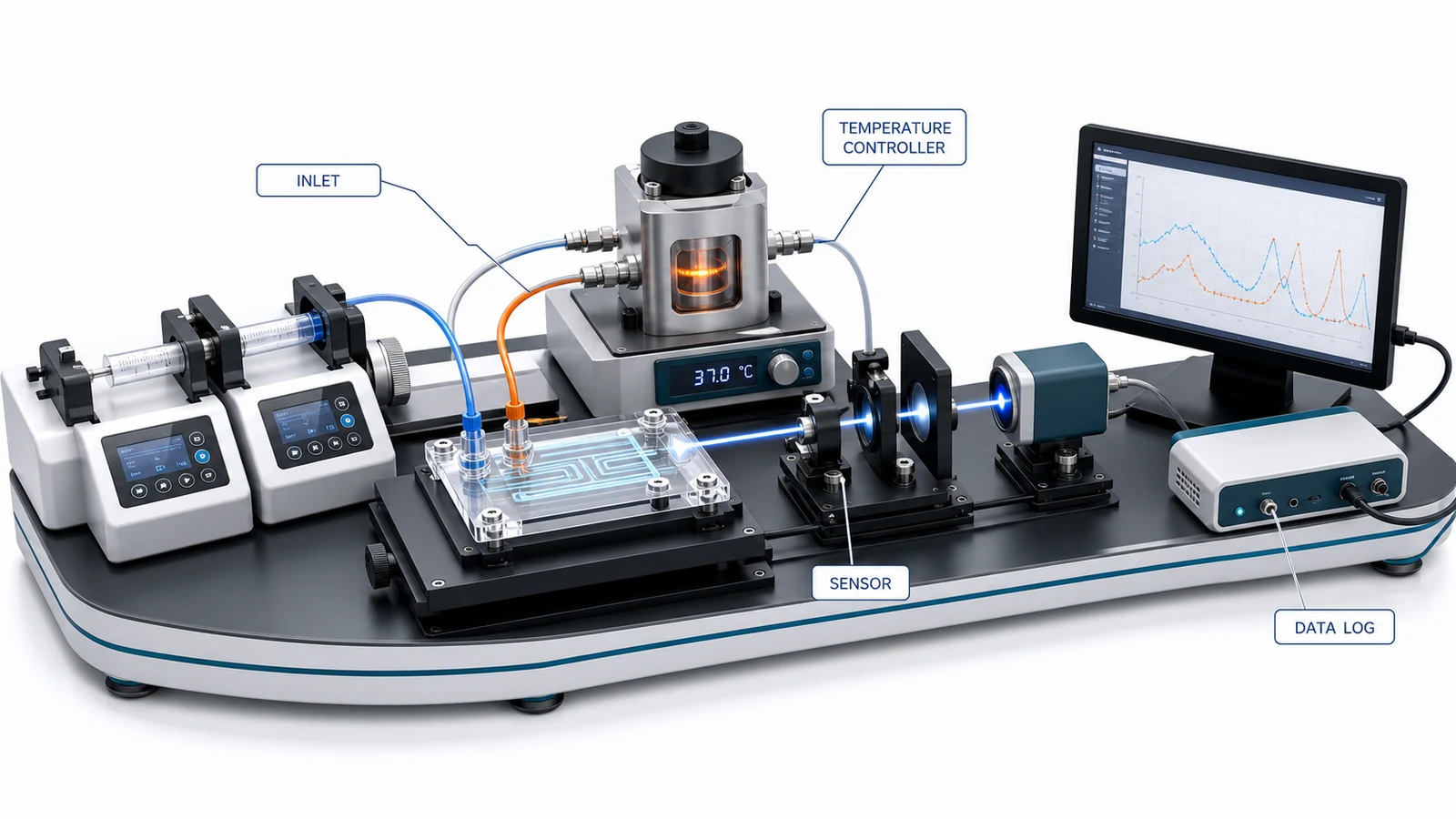 Research
Create annotated apparatus diagrams for lab methods, optics paths, reactors, sensors, and measurement systems.
 Research
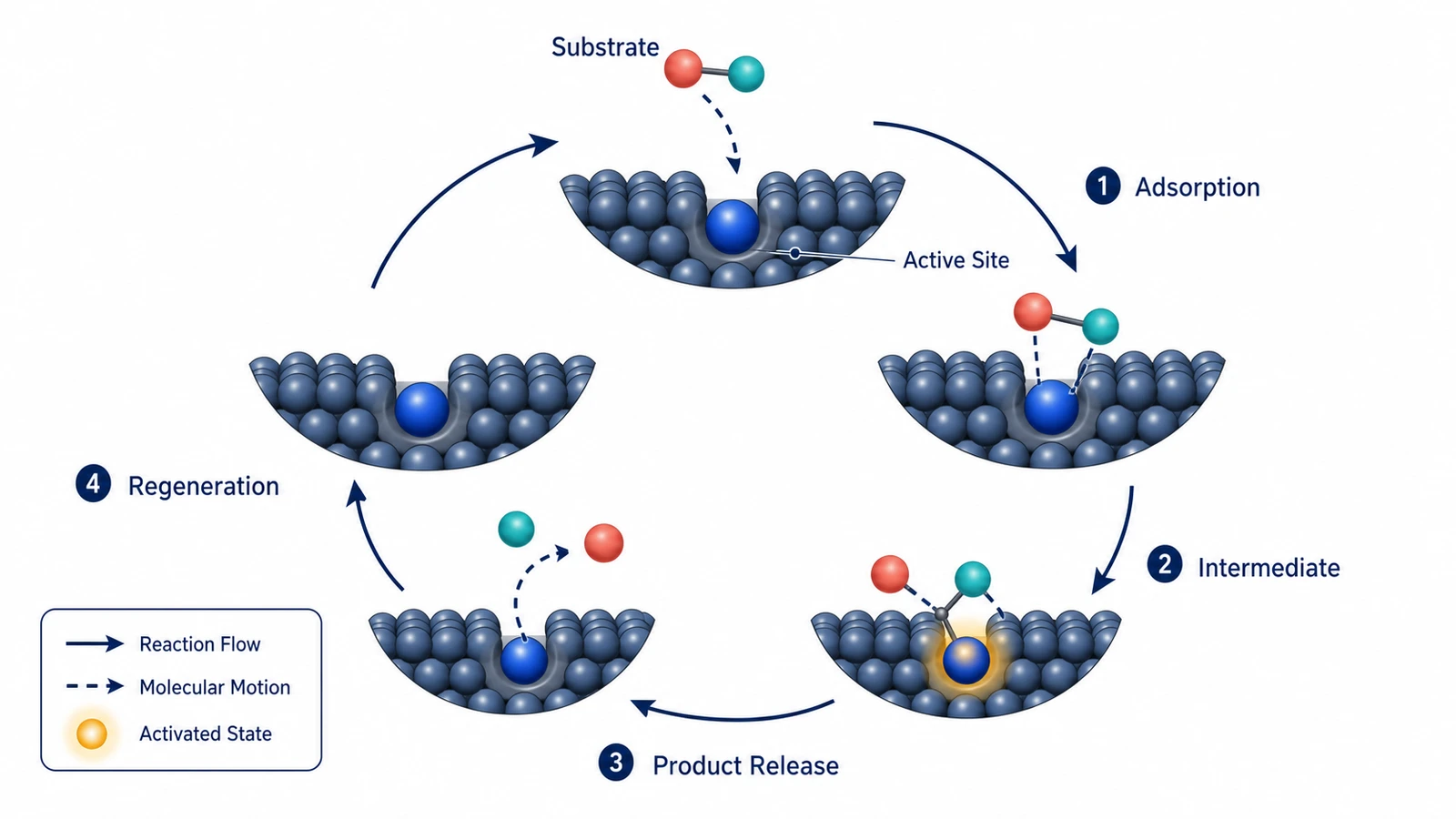
Create mechanism diagrams for chemical reactions, biological processes, and engineering systems.
 Research
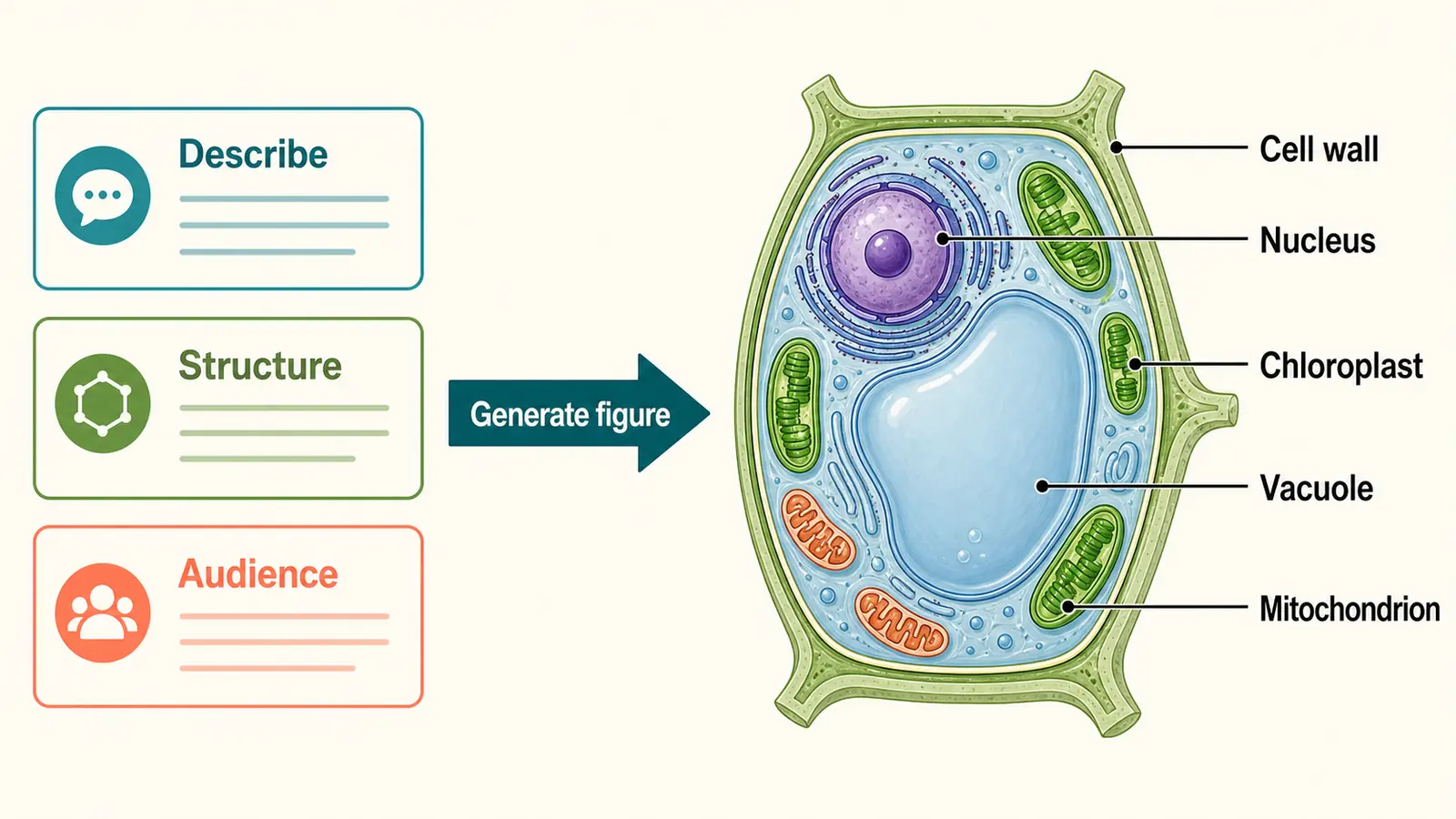
Start with a plain-English description and draft a labeled scientific diagram, schematic, or research visual.